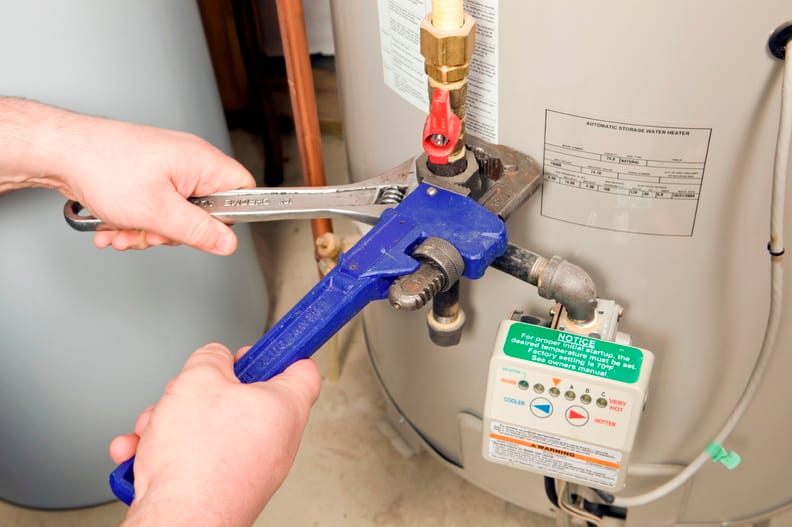
We act as a commercial plumber for many local and residential businesses
Water Heater Repair & Installation in Lawrenceville, GA
Hot water is an essential part of modern living. From a warm shower in the morning to running the dishwasher after dinner, your water heater works silently in the background to provide comfort and sanitation. When this system fails, it is immediately noticeable and highly disruptive. At Lawrenceville Plumbing Pros, we specialize in comprehensive water heater repair and installation services. We are dedicated to ensuring that the residents and businesses of Lawrenceville have reliable access to hot water year round.


Water Heater Repair and Installation in Lawrenceville, GA from Your Local Plumbing Team
When hot water disappears overnight or a tank starts leaking onto the garage floor, you need water heater repair same day service from a team that actually knows the local systems. We handle repair, replacement, new installation, tankless conversions, pilot light issues, sediment flushing, and emergency no hot water calls for homeowners across Lawrenceville, Lilburn, and Grayson. Older homes near the downtown square often still run original tank units that have outlasted their expected lifespan, while newer construction further out tends to favor tankless systems from the start, and we work on both without treating either as an afterthought. Diagnostics come first every time, our work stays clean and contained, and scheduling stays realistic instead of a vague window that eats your whole day. Here is what typically goes wrong with a water heater and how we approach each situation.
Common Water Heater Problems We Fix in Lawrenceville
No Hot Water or Insufficient Hot Water
Losing hot water entirely disrupts a household fast, especially with kids, guests, or anyone managing a health condition that depends on it. A fix no hot water emergency call here usually traces back to a failed heating element, a tripped safety switch, or in gas units, an issue with the burner assembly.
Recognizing the Problem
- Water that never gets past lukewarm
- Hot water running out within minutes of starting a shower
- A breaker that keeps tripping when the unit runs
- No response at all from the thermostat controls
- Hot water available downstairs but not upstairs, or the reverse
We test the thermostat, heating element or burner, and check for any wiring or gas supply issue before assuming the tank itself has failed. Sizing also matters here, since a tank that was always slightly undersized for the household will show these symptoms even when nothing is technically broken.
Leaking Water Heater
A water heater leaking from the top usually points to a loose fitting or a failing pressure relief valve, which is repairable, while a leak from the bottom of the tank almost always means internal corrosion that cannot be patched. Telling the two apart quickly matters, since one is a simple fix and the other means replacement.
Recognizing the Problem
- A puddle forming underneath or beside the tank
- Moisture or drips coming from connections at the top of the unit
- Rust colored staining running down the side of the tank
- A hissing sound near the pressure relief valve
- Water damage spreading to the surrounding floor or wall
We trace the leak to its exact source before doing anything else, since a leak from the top is often a five minute fitting repair while a tank leak requires a full replacement conversation. Homes with older units running on original plumbing tend to develop these leaks earlier than newer installs.
Tankless Water Heater Issues
A tankless water heater not heating properly usually means either a flow sensor issue, a buildup of scale inside the heat exchanger, or a venting problem that is limiting performance. Because tankless units rely on precise flow and temperature sensing, small issues show up as noticeable performance drops rather than a slow decline.
Recognizing the Problem
- Water temperature fluctuating between hot and lukewarm during use
- The unit shutting off mid shower
- An error code displayed on the unit’s control panel
- Reduced hot water flow compared to when it was first installed
- A delay of several seconds before hot water arrives
We check the flow sensor, inlet filter, and heat exchanger for scale buildup, which is a common cause of reduced performance in areas with harder water. Annual flushing helps tankless units run efficiently for years longer than skipping maintenance entirely.
Rusty or Discolored Hot Water
Rusty hot water from taps here almost always points to corrosion happening inside the tank itself, particularly once the anode rod that protects the tank has worn down completely. If the discoloration only shows up on the hot side, the tank is the source rather than the municipal water supply.
Recognizing the Problem
- Water with a reddish or brownish tint from hot taps only
- A metallic taste or smell in hot water specifically
- Staining building up around hot water fixtures over time
- Discoloration that clears up on the cold side but not hot
- Sediment visible in water drawn from the tank drain valve
Once the anode rod is gone, the tank itself starts corroding from the inside, so we check that component early in the diagnostic process. Catching it before the tank actually fails can sometimes extend the unit’s life with a simple anode replacement rather than a full swap.
Strange Noises from Water Heater
Water heater making loud noises usually points to sediment that has settled at the bottom of the tank and is being disturbed as the burner or element heats the water around it. The popping and rumbling sounds are actually small pockets of water boiling underneath a layer of built up mineral deposits.
Recognizing the Problem
- Popping or cracking sounds during the heating cycle
- A rumbling noise that builds and fades
- Ticking sounds as the tank heats up or cools down
- A high pitched whine coming from the unit
- Vibration felt through nearby pipes
A full flush usually clears sediment related noise if caught early, though tanks with years of buildup sometimes need more than one pass to fully clear. Hard water common throughout this part of Georgia speeds up sediment accumulation, so units here tend to need flushing more often than in areas with softer water.
Pilot Light Problems (Gas Water Heaters)
A gas water heater pilot light that will not stay lit is one of the most common calls we get, and it usually comes down to a failing thermocouple, a draft disrupting the flame, or debris blocking the pilot assembly. It can look alarming, but the fix itself is often straightforward once the actual cause is identified.
Recognizing the Problem
- The pilot light going out within minutes of relighting
- A flame that looks weak, yellow, or flickering instead of steady blue
- A clicking sound with no ignition
- An error light or fault indicator on newer units
- A faint gas smell near the pilot assembly
If you smell gas or suspect a gas leak, go outside immediately and call 911 – this is a serious emergency that needs urgent attention from the gas company. Once safety is confirmed, we test the thermocouple and clean the pilot assembly before relighting, and replace parts that are clearly worn rather than repeatedly relighting a failing pilot.
Water Heater Not Turning On
An electric water heater not working at all is usually an electrical issue rather than a problem with the tank itself, ranging from a tripped breaker to a failed high limit switch that shuts the unit down as a safety measure. Gas units that will not fire can point to a similar range of causes on the ignition side.
Recognizing the Problem
- No response at all when adjusting the thermostat
- A breaker that trips immediately when reset
- A gas unit that will not ignite even with a working pilot
- Complete silence from a unit that used to hum or click during operation
- A reset button that will not stay engaged
We check the power supply and safety switches before assuming a component has failed outright, since a tripped high limit switch is a common and inexpensive fix compared to a full element or control board replacement. Confirming the actual cause first avoids replacing parts that were never the problem.
Sediment Buildup and Poor Performance
Sediment buildup is a slow process that eventually affects heating efficiency, hot water capacity, and the lifespan of the tank itself. It develops fastest in areas with harder water, and Georgia’s mineral content means most units here benefit from more frequent attention than the manufacturer’s default recommendation.
Recognizing the Problem
- Noticeably less hot water available than when the unit was new
- Longer recovery time between uses
- Rising energy bills without an obvious explanation
- Cloudy or gritty water when the tank is drained
- A tank that feels heavier or sounds different when tapped
Flushing the tank removes accumulated sediment and restores much of the lost efficiency, and doing this on a regular schedule extends the working life of the unit considerably. Skipping maintenance for years often means the sediment has hardened enough that a single flush will not fully resolve it.
Water Heater Repair vs Replacement in Lawrenceville
Deciding between repair and replacement usually comes down to the age of the unit, the type of problem, and how often repairs have already been needed. A tank under seven or eight years old with a single component failure, like a bad thermostat or heating element, is almost always worth repairing rather than replacing. Beyond ten to twelve years, especially with any sign of tank corrosion, repair tends to be a short term fix for a system that is closer to full failure than it might appear.
One homeowner near Rock Springs called about a unit that had needed three separate repairs within eighteen months, each one addressing a different symptom without anyone stepping back to look at the whole picture. Once we walked through the tank’s age and overall condition, replacing it made more sense than continuing to chase individual failures. Another household closer to Five Forks had a tank that was leaking from a fitting rather than the tank itself, and that repair took less than an hour and gave the unit several more years of reliable use.
Sediment heavy tanks present a middle case. Sometimes a thorough flush and a new anode rod restore enough performance to justify keeping the unit running, while other times the corrosion has already progressed too far for that to matter. We walk through what we are actually seeing rather than defaulting to either option automatically, since replacing a unit that only needed a flush wastes money, and repairing a tank that is structurally failing just delays an inevitable replacement.
Energy efficiency is worth factoring in too. Older units, particularly ones original to a home built decades ago, run less efficiently than current models, so even a unit that is technically still working can be costing more in monthly energy use than a newer replacement would. That calculation matters most for households already leaning toward an upgrade rather than those simply trying to keep a healthy unit running longer.
Tankless Water Heater Installation and Repair
Tankless systems have become increasingly common in newer construction throughout this area, and we handle both new tankless water heater installation and repair on existing units. The main appeal is endless hot water and a smaller footprint, since there is no tank taking up closet or garage space, but sizing the unit correctly for your household’s actual usage matters more with tankless systems than with a standard tank.
Households asking about tankless water heater installation typically want to know whether their gas line and venting can support the new unit, since tankless systems draw more gas volume during operation than a standard tank heater. We assess the existing infrastructure before recommending a specific unit, since retrofitting gas and venting adds to the scope of the project in older homes more than in new construction built with tankless in mind.
Maintenance differs from a standard tank as well. Annual flushing prevents scale buildup inside the heat exchanger, which is the most common reason a tankless unit starts underperforming a few years after install. For households considering the switch from an aging tank, a tankless system often makes sense when hot water demand is high, multiple showers run close together, or available space is limited.
Water Heater Installation Services in Lawrenceville
Whether you are replacing a failed tank or installing a new water heater in your home for the first time, the process starts with sizing the unit correctly to your household’s actual hot water use rather than defaulting to whatever size was there before. We check existing venting, gas or electrical capacity, and the surrounding space before finalizing a recommendation.
For traditional tank installations, we remove the old unit, verify the connections and venting meet current safety standards, and set the new tank level and properly secured. For tankless installs, additional attention goes into gas line sizing and venting requirements, since those systems are more sensitive to undersized infrastructure than a standard tank.
Once the new unit is in place, we test it under real conditions, running multiple fixtures to confirm consistent performance rather than just checking that water gets hot at a single tap. We walk through basic maintenance expectations before we leave, so you know what keeps the new unit running well for years to come.
Why Homeowners Choose Lawrenceville Plumbing Pros for Water Heater Service
Local Expertise with Lawrenceville Homes and Water Conditions
Years of water heater calls throughout this area mean we already understand how the mineral content in local water tends to shorten tank life compared to areas with softer water. A homeowner near Sugarloaf Parkway assumed their unit had simply failed early, but the actual issue was years of sediment buildup that regular flushing would have prevented. That kind of pattern recognition comes from doing this work locally for years, not from a general checklist.
Meticulous Diagnostics and Root Cause Fixes
We would rather spend extra time confirming the actual cause of a problem than replace parts based on a guess. One household had replaced a heating element themselves without success, and the real issue turned out to be a wiring connection that a new element alone would never have fixed. Getting the diagnosis right the first time avoids paying for repairs that were never going to solve the problem.
Respect for Your Home and Family During the Job
Water heater work can get messy, especially when draining an old tank, so we use drop cloths and take care around flooring and nearby belongings. A family in a Lilburn condo appreciated that we coordinated the drain path carefully in a tight utility closet, avoiding any water reaching the surrounding carpet during the swap.
Skilled with Both Traditional and Tankless Systems
Not every plumber stays current on tankless technology, but we install and repair both traditional tanks and tankless systems regularly. A growing family near Collins Hill needed a tankless unit resized after their first install could not keep up with two bathrooms running at once, and correcting that sizing solved months of frustration.
Fast Same Day Response When You Need Hot Water Now
Water heater repair same day service in Lawrenceville is something we prioritize, since going without hot water is not something most households want to wait out. A Grayson homeowner who lost hot water on a weekend morning had a technician on site within a few hours and hot water restored before the day was over.
Our Water Heater Service Process in Lawrenceville
1. You reach out
Call or reach out to us for assistance and describe what is happening, whether it is no hot water at all, a leak, or strange noises. We will ask a few quick questions to understand the situation before anyone heads your way.
2. We schedule and arrive
We find a time that works for your household, and for urgent no hot water situations, we move quickly to get someone out the same day whenever possible.
3. Thorough diagnosis and clear explanation
Once on site, we diagnose the actual cause rather than guessing at the most likely one, and walk you through what we found in plain language before recommending next steps.
4. Repair or installation
We complete the repair or handle the full installation, whether that means a traditional tank or a tankless system, using the approach that fits your household and your existing setup.
5. Final testing and cleanup
We test the unit under real use, running multiple fixtures to confirm consistent hot water, and clean up the work area completely before we leave.
Water Heater Service Area in and Around Lawrenceville, Georgia
We handle water heater repair and installation throughout the area and surrounding Gwinnett County communities, including Lilburn and Grayson. Neighborhoods near the downtown square, the Sugarloaf Parkway corridor, and residential streets stretching toward Collins Hill and Dacula Road all fall within our regular service area, along with the condo and townhome communities where water heater repair for a condo often means coordinating around shared utility spaces.
- Lawrenceville
- Lilburn
- Grayson
- Downtown square area
- Sugarloaf Parkway corridor
- Collins Hill
- Rock Springs
- Five Forks
- Dacula Road area
- Communities along Highway 29
True local water heater service means understanding the water conditions and housing stock in each part of town before we even arrive, not treating every call the same regardless of location. That familiarity shapes what we check first and how we approach the repair.
Professional Water Heater Repair vs DIY Attempts
Water heaters combine electricity or gas with pressurized hot water, which makes them one of the riskier appliances to attempt repairs on without the right experience. Electrical components inside an electric unit can deliver a serious shock if the power is not fully shut off before opening the access panel, and water heaters draw enough current that this is not a risk to take lightly.
Gas units carry their own hazards. Working near a burner assembly or gas connection without understanding the shutoff sequence can lead to a gas leak, and improperly relighting a pilot repeatedly instead of addressing the underlying cause can mask a bigger safety issue. Scalding is another real risk, since water heaters set too high or thermostats that are miscalibrated can produce water hot enough to cause burns within seconds.
Hidden leaks are easy to miss without training, since a slow leak inside a wall or under a tank can go unnoticed until it has already caused meaningful water damage. Sediment issues compound this in areas with harder water, where a DIY flush done incorrectly can dislodge debris that clogs valves or fixtures elsewhere in the home rather than actually clearing the tank.
Modern units add another layer of complexity, since digital controls, flow sensors, and electronic ignition systems on newer tanks and tankless units are not always intuitive to diagnose without training. Opening up a control board without understanding the system can cause damage that costs more to fix than the original issue would have. Calling a professional early, rather than after a DIY attempt has already gone sideways, almost always saves time and prevents a bigger repair.
Plumbing Pro Services
Complete Plumbing Care for Your Entire Home
Whether it’s the kitchen, bathroom, or sewer line, we have the tools and training to handle any challenge your plumbing system throws at us.
We Deliver Expert Results
Don’t gamble with your plumbing. We combine years of experience with modern technology to deliver lasting repairs and installations. Our team respects your time and your property.
- Fixture Installation
- Leak Detection
- Modern Diagnostics
- Drain Cleaning
Frequently Asked Questions About Water Heater Repair and Installation in Lawrenceville
Water heater repair in Lawrenceville?
Yes, we handle water heater repair throughout the area for both tank and tankless systems, covering everything from pilot light issues to leaks and full component failures. We diagnose the actual cause before recommending a fix, and same day service is available for households dealing with no hot water at all.
How much does water heater replacement cost in Lawrenceville?
Cost depends on the size and type of unit, whether it is a standard tank or tankless, and how much work the existing venting, gas, or electrical connections need to meet current standards. We walk through the specifics of your household and existing setup before recommending a particular unit, so you understand exactly what the installation involves.
Do you install tankless water heaters?
Yes, we install and repair tankless water heaters regularly, and we assess your home’s gas or electrical capacity and venting before recommending a specific unit. Tankless systems need to be sized to your household’s actual usage rather than a generic recommendation, so we walk through your hot water habits before finalizing anything.
What should I do if I have no hot water?
First, check the breaker for electric units or confirm the pilot light is lit on gas units, since those are the most common simple causes. If neither resolves it, reach out to us for assistance and describe what you are seeing, since no hot water situations usually get scheduled the same day given how disruptive they are to a household.
How long does water heater installation take?
A standard tank replacement typically takes a few hours from removal of the old unit to full testing of the new one. Tankless installations can take longer, especially if gas line or venting upgrades are needed to support the new system. We give you a realistic timeframe once we have seen the existing setup in person.
Do you work on older homes in Lawrenceville?
Regularly. Many homes near the downtown square and older sections of the city still run original plumbing and electrical setups that need a careful eye during water heater work. We are often called in for the best water heater for older homes since matching the unit to aging infrastructure takes more consideration than a straightforward swap in newer construction.
Signs my water heater needs replacement?
Rust colored water from the hot tap, a tank leaking from the bottom, popping or rumbling noises from sediment, and hot water running out much faster than it used to are all signs the unit is nearing the end of its life. Age matters too, since most tanks start showing these issues after ten to fifteen years of regular use.
Why is my water heater making loud noises?
Loud popping or rumbling almost always comes down to sediment buildup at the bottom of the tank, which creates small pockets of boiling water trapped underneath mineral deposits. A full flush usually resolves it if caught early, though tanks with years of accumulated sediment sometimes need more than one flush to fully clear.
When should I replace vs repair my water heater?
A unit under seven or eight years old with a single component failure is usually worth repairing. Past ten to twelve years, especially with any sign of tank corrosion or repeated repairs, replacement tends to make more sense than continuing to fix an aging system piece by piece.
Do you handle water heater repair for a condo near me?
Yes, water heater repair for a condo often means working in a tighter utility space and coordinating carefully with shared walls or connections nearby. We account for that during scheduling and take extra care to protect surrounding areas that a single family home installation would not need to worry about as much.
Conclusion
From a pilot light that will not stay lit to a full tankless installation in a growing household, we handle water heater repair and installation for homeowners across Lawrenceville, Lilburn, and Grayson. We diagnose the actual problem before recommending a fix, keep the work area clean, and prioritize households dealing with no hot water right now. Whether your unit needs a quick repair or it is finally time for a replacement, we walk you through the decision honestly.
Contact us today and let us know what your water heater is doing, and we will help you figure out the right next step.
Zip codes we serve: 30042, 30043, 30044, 30045, 30046, 30049, 30047, 30017